
Circular connectors are mainly used in industrial applications. Circular connectors have a cylindrical structure with a circular mating surface. They are used for the interconnection of devices. This includes circular power connectors, circular signal connectors. It consists of plugs, sockets, circular connectors from the shell, locking sleeve, reeds, pins, pins, terminals, waterproof washers, dust caps, etc.. So, what are the steps to make a circular connector?
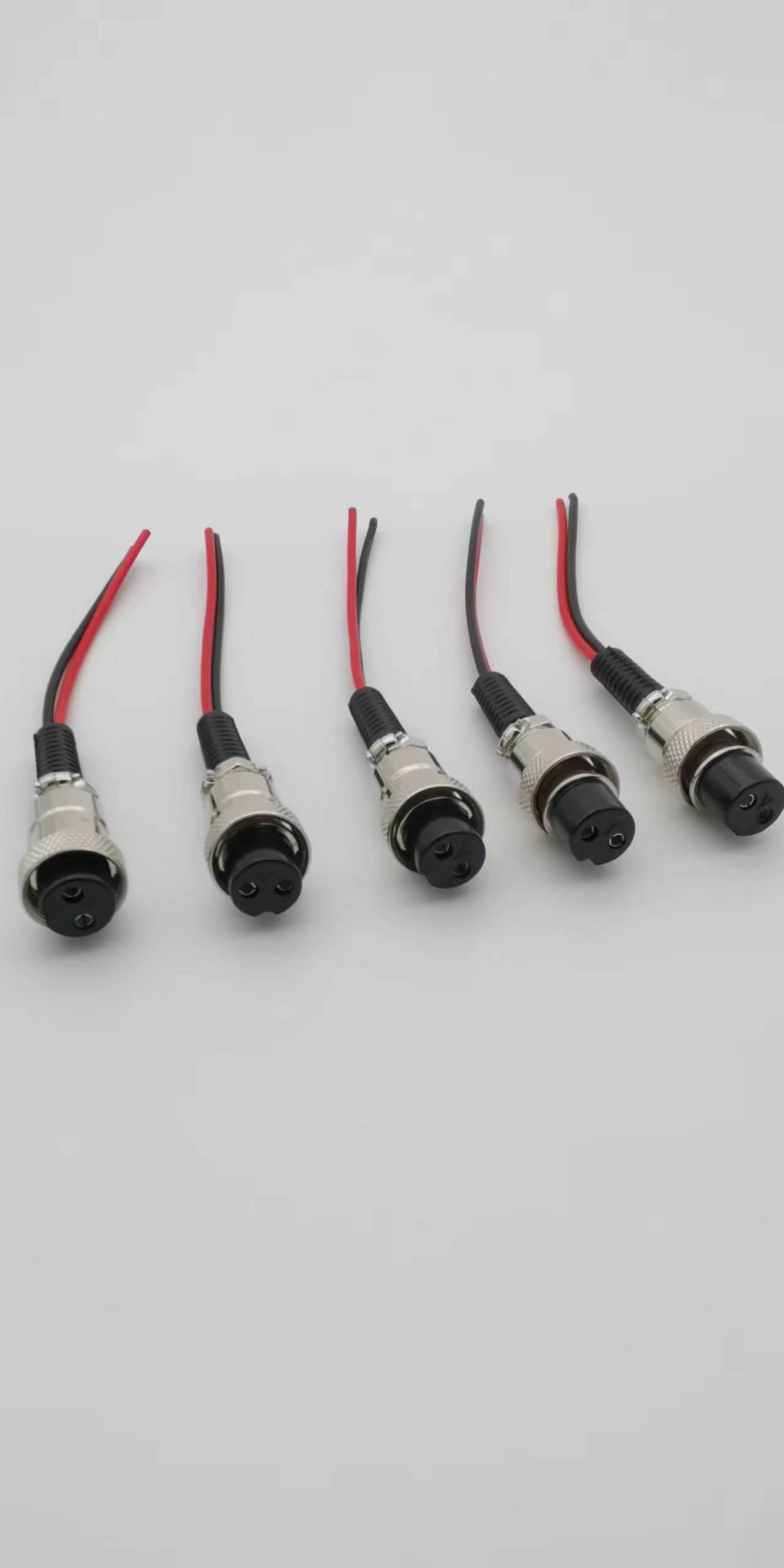
1. Material selection
The first and most important step is to select the materials according to the client's contractual requirements. This is because if the material is not chosen correctly, the subsequent steps will be in vain. The material of the housing has to be decided after considering the environment in which it is to be used, whether it needs to be shielded, whether it needs to be sealed, whether it needs to be environmentally friendly, etc. Currently, aluminium, copper, stainless steel, fusible alloys, insulators made of PTFE are used, followed by the structure and thus the size of the material.

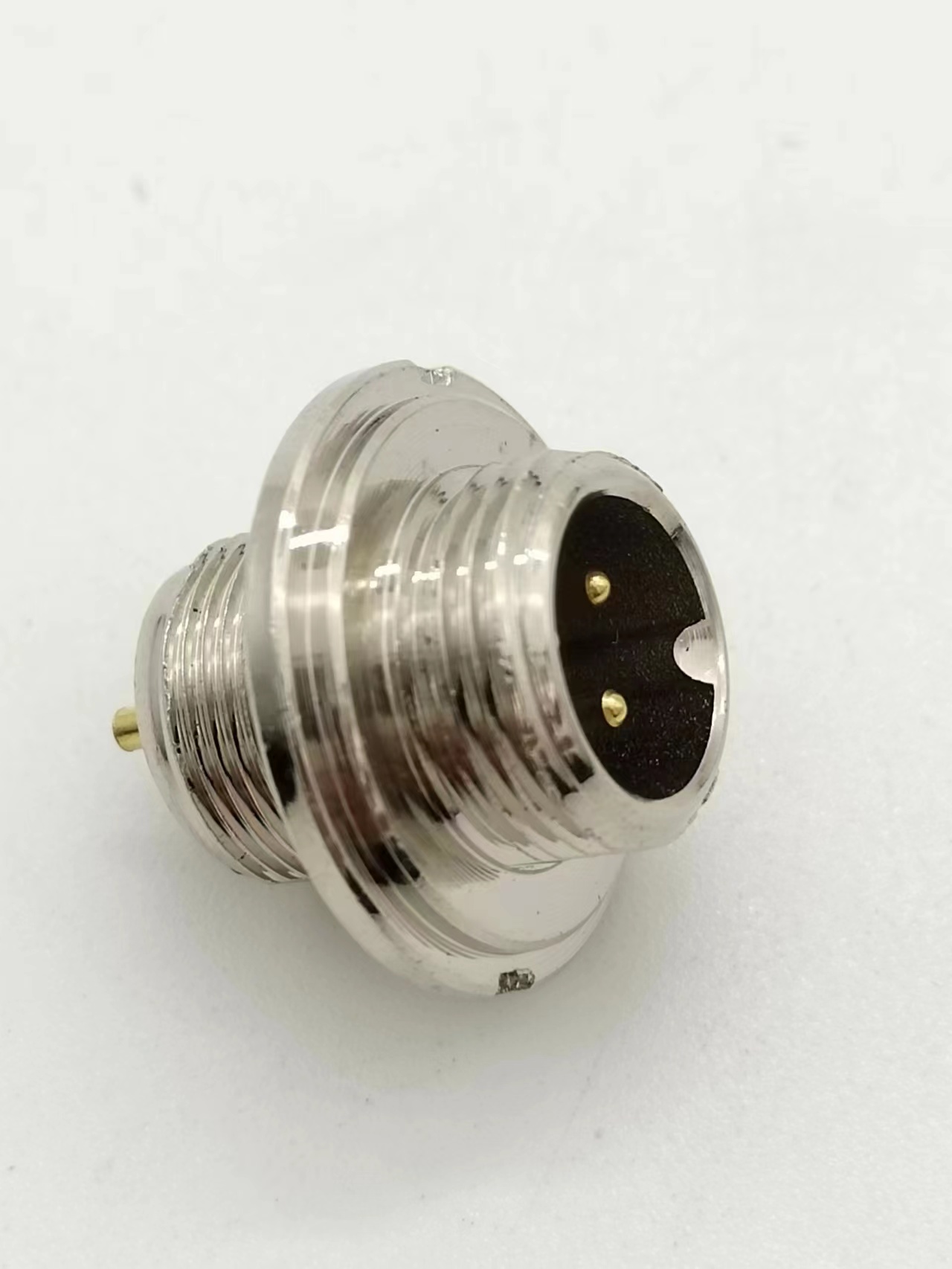
2. Plating
The circular electrical connector pins are stamped and the shell is sent for shell plating after processing is complete. At this stage, the electrical contact surface of the connector is plated with various metal coatings. There are silver plating, gold plating, oxide colouring, army green, chrome plating, nickel plating, stainless steel passivation, different technical requirements and different production processes.
3. Injection moulding
The usual process for insulators for circular electrical connectors is to inject molten plastic into a metal foil, which is then quickly cooled and shaped. Defective insulator jacks are filled or partially blocked (these jacks must be kept clean and clear in order to be properly connected to the pins during final assembly).
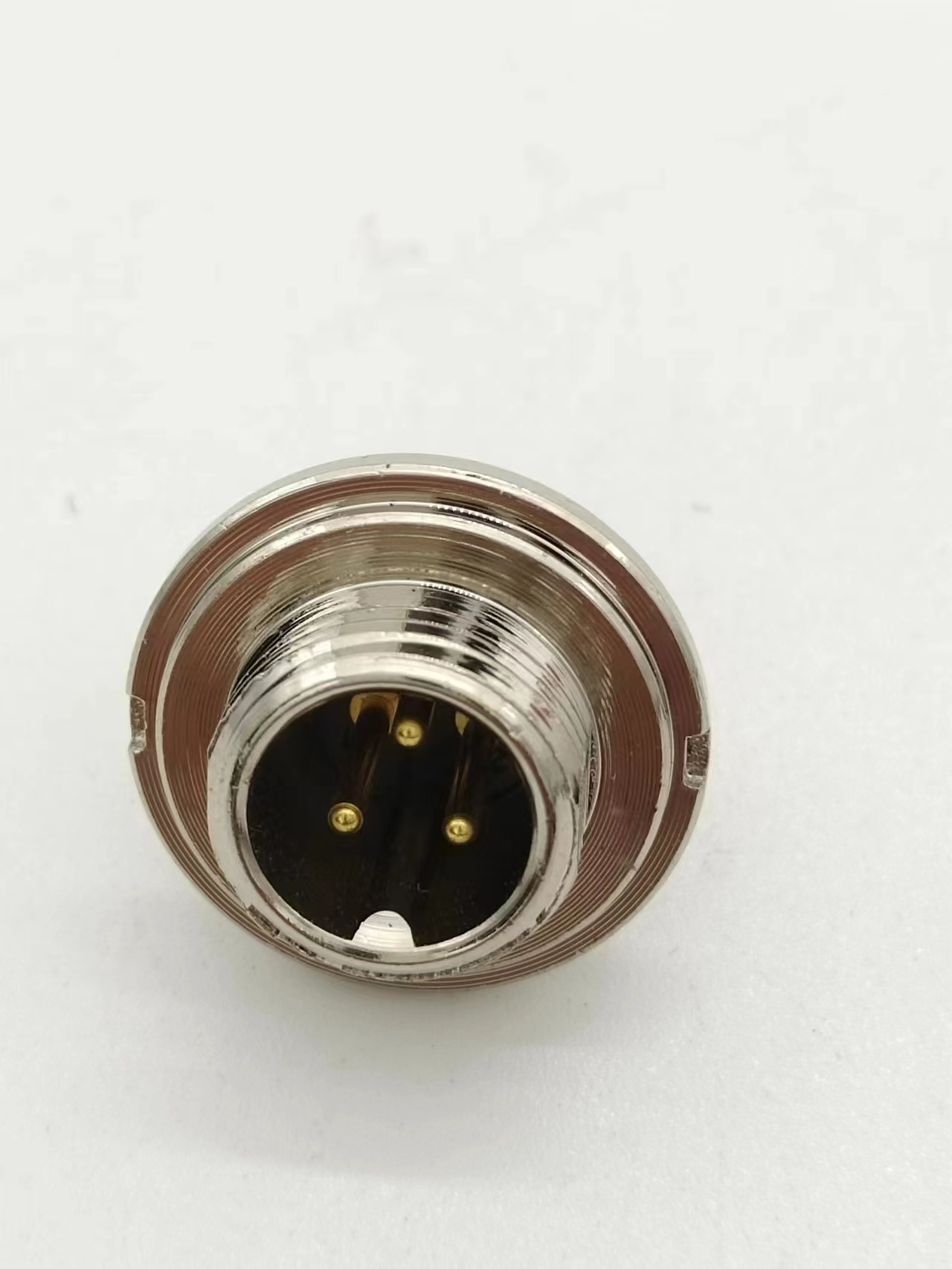
4. Assembly
The final stage in the manufacture of circular electrical connectors is the final assembly. After assembly there are two types of plug-in tests: single inserts or combination inserts. Single pair insertion means that one pin is inserted at a time; combination pair insertion means that several pins are connected to the box holder at the same time. Whichever connection method is used, the manufacturer requires that all pins are checked for missing and correctly positioned at the assembly stage; once the pins and sockets are free of problems, the plugs and sockets are checked for flexibility and effective positioning rivets. There should be no scratches overall and there should be no low-level errors such as screw lengths.